


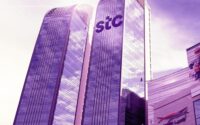
stc: Saudi Arabia’s Telecom Leader at the Center of Digital Growth
For millions of people in Saudi Arabia, stc is part of everyday life. It connects mobile phones, homes and businesses across the Kingdom. Yet the company now does much more than provide telecom services.
Over time, stc has grown into a wider digital group. Its activities now include cloud services, cybersecurity, data centers, financial technology and business technology. As a result, the brand has become closely linked with Saudi Arabia’s digital growth.
That wider role also helps explain why stc continues to stand out among Saudi brands. In 2026, Ipsos ranked stc first among local brands in Saudi Arabia.
From Telecom Provider to Digital Group
stc began its modern journey in 1998, when Saudi Telecom Company was established.
At the time, the digital world looked very different. Smartphones were not part of daily life. Mobile internet was limited. Streaming, digital banking and cloud services had not yet become normal consumer services.
Today, the picture is completely different.
People use their phones to pay bills, shop, order food, book hotels and access government services. Businesses also depend on digital networks for sales, operations, customer service and remote work.
Therefore, stc has had to change with its customers.
Instead of focusing only on mobile and fixed services, the group has moved into a much wider range of digital businesses. This shift reflects the broader business and technology growth across the Middle East, where companies in almost every sector are becoming more digital.
Connectivity Is Still the Foundation
Although stc has expanded, connectivity remains at the center of the business.
The company continues to invest in mobile networks, 5G and fiber services across Saudi Arabia. According to stc’s 2025 reporting, it had around 30 million mobile subscribers and about six million fixed subscribers in the Kingdom.
At the same time, 5G coverage reached 63 percent of residential and populated areas by the end of 2025.
These figures matter because reliable internet now supports daily life.
For example, a food delivery app depends on a strong network. So does an online payment. A video call, government service or streaming platform also needs stable connectivity.
Most people do not think about this infrastructure when it works. However, they notice it quickly when it fails.
That simple fact keeps telecom services at the heart of the stc brand.
A Wider Digital Ecosystem
stc has also expanded into services that sit around traditional telecom.
Today, the wider group works across cloud computing, cybersecurity, Internet of Things services, enterprise technology and digital infrastructure.
As a result, stc can support businesses in several ways.
A retailer may need cloud services for its online store. A hotel may need secure internet and digital guest services. A growing company may need cybersecurity and managed technology. Meanwhile, government organizations need reliable digital systems for public services.
This wider role is especially important as Saudi Arabia develops new districts and destinations.
For instance, KSA Today has covered stc’s strategic partnership with New Murabba. The partnership includes communications and digital solutions for one of Riyadh’s major new developments.
That example shows how telecom services are becoming part of new projects from the beginning rather than being added later.
STC Bank Adds a New Dimension
Another major step has been stc’s move into financial services.
STC Bank grew from stc pay, which started as a digital wallet. It later developed into a digital bank.
This move fits Saudi Arabia’s changing financial habits. Today, many people expect to transfer money, pay bills and manage accounts through their phones.
Therefore, financial services create another everyday link between customers and the wider stc brand.
The company can now be part of how someone communicates, goes online and manages money.
KSA Today has also covered stc’s fintech solutions in Saudi Arabia. That earlier coverage shows that the group’s move into financial technology did not happen overnight.
Instead, it has developed alongside Saudi Arabia’s wider shift toward digital payments and app-based services.
Data Centers Support the Next Stage
Cloud computing and artificial intelligence may sound invisible. However, both rely on physical infrastructure.
Behind every cloud service are servers, networks, power systems and data centers.
For that reason, data centers have become an important part of stc’s wider strategy.
The group reported 25 data centers that were operational or under construction at the end of 2025. In addition, its infrastructure business center3 has plans to expand capacity as demand for cloud and AI services grows.
This matters because Saudi Arabia is investing heavily in technology.
AI companies need computing power. Cloud platforms need secure places to store and process data. Large businesses also need reliable local infrastructure.
As a result, data centers are becoming a bigger part of the Kingdom’s digital economy.
They are also appearing more often in corporate announcements and press releases as companies announce new technology projects, partnerships and investments across Saudi Arabia.
Hajj Tests Network Capacity
Hajj creates one of the toughest tests for telecom networks in Saudi Arabia.
Millions of pilgrims gather in a concentrated area. At the same time, they use maps, calls, messaging apps, videos and digital services.
That creates a sudden rise in demand.
In May 2026, KSA Today reported on stc’s network performance during Hajj. The report noted a strong increase in both data and 5G traffic compared with the previous year.
It also highlighted the use of smart systems to help manage network demand.
For pilgrims, reliable connectivity can make a practical difference. It can help them use maps, contact family members and access important information.
Therefore, Hajj is more than a busy period for telecom companies. It is a major test of planning, capacity and service quality.
Events Also Depend on Strong Connectivity
The same idea now applies to Saudi Arabia’s fast-growing events sector.
The Kingdom hosts major conferences, exhibitions, sports tournaments and entertainment events throughout the year.
Modern events depend heavily on technology.
Visitors use digital tickets. Many payments are cashless. Organizers use apps for schedules and updates. Exhibitors also need internet access for presentations and demonstrations.
KSA Today’s guide to top business events in Saudi Arabia shows how varied the local events calendar has become.
At the same time, companies and visitors following major Middle East events, exhibitions and conferences expect reliable connectivity wherever they go.
When the network works well, few people notice it. However, when it fails, the whole event experience can suffer.
A Natural Role in Vision 2030
Saudi Vision 2030 has accelerated growth across tourism, entertainment, logistics, technology and financial services.
Almost every one of these sectors needs strong digital infrastructure.
For example, a new hotel needs fast internet and digital payment systems. A smart district needs connected devices. A technology company needs cloud services and cybersecurity.
Therefore, stc has a natural role in this transformation.
The company is not only serving existing demand. It is also helping support new businesses, new destinations and new digital services.
This is an important change in the way telecom should be viewed.
Telecommunications was once mainly about calls and internet access. Today, it supports tourism, banking, retail, entertainment, education and government services.
A Familiar Brand That Keeps Changing
One of stc’s biggest strengths is familiarity.
For many Saudi customers, the brand has been present for years. It may be linked to a first mobile number, a home internet connection or a workplace service.
However, the business behind that familiar name has changed a great deal.
Today, stc is active in digital banking, cybersecurity, cloud services, data centers and enterprise technology.
Even so, the core idea remains simple.
For most customers, stc still means connection.
That gives the company a strong base while it expands into new areas.
What Comes Next for stc?
The next stage of stc’s growth will likely follow the same trends shaping Saudi Arabia.
Artificial intelligence will need more computing power. Cloud services will need more data centers. Businesses will need stronger cybersecurity. Meanwhile, consumers will continue to expect faster and easier digital services.
stc is already active across many of these areas.
However, one simple expectation remains at the center of the brand: the connection must work.
People do not normally think about fiber networks, 5G sites or cloud infrastructure when they send a message or make a payment. They simply expect the service to be available.
That mix of everyday usefulness and digital growth helps explain why stc remains one of Saudi Arabia’s leading local brands.
As the Kingdom becomes more connected, stc is likely to remain closely linked with that change.


 Email: info@cyber-gear.com