


Quality Assets And Experience Concept Drive Saudi Arabia’s Commercial Real Estate Transformation In Q2 2026: JLL
Saudi Arabia’s commercial real estate sector is poised for substantial transformation, with a distinct flight to quality shaping the office market and a pivotal shift toward premium, experience-focused retail environments, according to new Q2 2026 market reports by JLL. Driven by the continued momentum of Vision 2030 and stable market fundamentals, both sectors are demonstrating increasing maturity and competitiveness. The Kingdom’s shift into a disciplined growth phase sees businesses prioritizing modern, amenity-rich office environments, and the retail sector preparing to welcome internationally recognized retail concepts and premium brand portfolios.
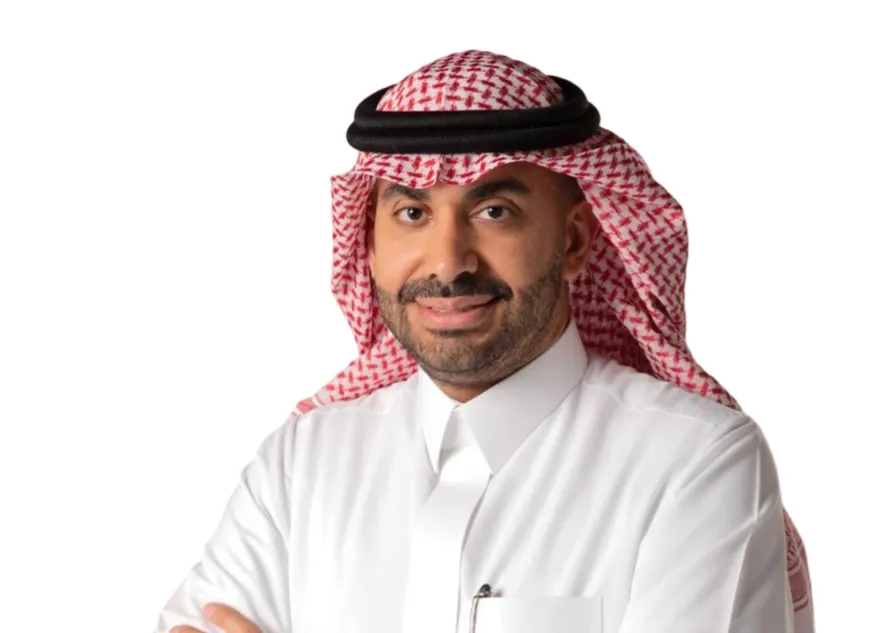
Saud Al Sulaimani, CEO and Head of Capital Markets – KSA at JLL, said: “Our Q2 data reveals the increasing stratification in Saudi Arabia’s commercial real estate market, with asset quality becoming the primary driver of performance across both office and retail sectors. We are seeing a natural rebalancing of rental appreciation as new inventory enters the market, and investment appetite shifts toward prime, modern office spaces and premier, experience-driven retail destinations. Landlords who prioritize asset quality, sustainability, and flexible terms are best positioned to drive value and meet these rising expectations as they successfully navigate the evolving landscape.”
Market rebalancing in the office sector
Flight to quality is the dominant occupier trend in the Saudi office market, as businesses increasingly upgrade to modern, amenity-rich developments. This has created a stark performance gap between prime assets and older stock. The trend is most pronounced in the capital, Riyadh, where tenant gravitation toward contemporary, well-positioned developments has driven the prime vacancy rate down to a low 1.9%, signaling a market with near-total occupancy for its best-in-class assets.
The demand for quality assets varies by city, with Jeddah’s Grade A vacancy contracting to a healthy 5.1%, while the Dammam Metropolitan Area remains more stable. As the market matures, inventory grows, and tenant options broaden, landlords are shifting their strategy and competing now on product offering and tenant experience rather than on rental pricing alone. This competition is set to intensify, particularly in Riyadh where an additional 929,300 sq m of office space is expected to enter the market, adding to the current 9.25 million sq m inventory.
Looking ahead, the Kingdom’s office market is poised for disciplined growth, and is increasingly stratified by asset quality and connectivity. Investor confidence remains robust, underpinned by powerful structural drivers such as Vision 2030, the Regional Headquarters Programme, infrastructure investment, and regulatory reforms. These are expected to sustain long-term capital flows and ensure the sector’s positive momentum.
Experience-led shift in retail
The Kingdom’s retail market remained resilient in Q2 2026, supported by robust domestic consumption and Vision 2030 driven initiatives, with vacancy levels and rental rates demonstrating limited fluctuation across Riyadh and Jeddah.
With stable fundamentals, this period of equilibrium positions the market for a substantial transformation with upcoming large-scale developments, including Westfield Jeddah in Q4 2026, marking a pivotal shift toward premium, experience-focused retail environments. This evolution signals a maturation of Saudi Arabia’s retail market, aligning local offerings with world-class shopping destinations.
The transformation is also shaped by the ongoing shift in consumer behavior, where omni-channel integration is now a baseline expectation, evident from a 45% surge in e-commerce activity during peak seasonal periods. A substantial development pipeline, including 471,000 sq m of new retail space in Riyadh, is set to significantly intensify market competition, making asset quality, curated tenant mixes, and experiential retail concepts more critical than ever.
Looking ahead, prime, destination-led schemes are anticipated to outperform secondary locations as retailers adopt more selective expansion strategies. The focus is on mixed-use developments, community centers, and integrated lifestyle hubs, reflecting the continued shift toward convenience-led and experience-driven formats.


 Email: info@cyber-gear.com