


INDEX Saudi Arabia: Where Design Meets the Kingdom’s Building Boom
INDEX Saudi Arabia focuses on what happens after architects decide the shape of a building.
Someone still needs to choose the furniture.
Floors need materials.
Hotels need lighting.
Restaurants need tables and seating.
Homes need kitchens and bathrooms.
Offices need workspaces that people can actually use.
INDEX Saudi Arabia brings the companies behind these decisions together with interior designers, architects, developers, hotel operators and procurement professionals.
The exhibition arrives at an interesting moment because Saudi Arabia is not only building more. It is also thinking more carefully about what those new spaces should feel like.
INDEX Saudi Arabia Returns in September 2026
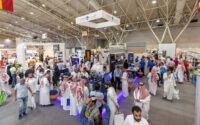
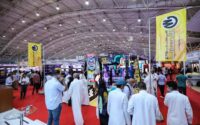
The 2026 exhibition takes place from September 15–17 at Riyadh International Convention & Exhibition Center.
INDEX describes itself as Saudi Arabia’s pioneering trade show for interior design, furniture and fit-out.
The show is aimed at professionals rather than general retail shoppers.
Visitors include architects, interior designers, developers, contractors, hotel owners and buyers.
That creates a strongly commercial environment.
A designer may attend because they need lighting for a new hotel.
A developer may be looking for furniture suppliers.
A restaurant company might be planning dozens of new locations.
INDEX gives them a chance to compare options directly.
Interior Design Is a Huge Part of Saudi Development
Saudi Arabia’s construction boom creates obvious demand for steel, concrete and machinery.
However, every completed building eventually needs interiors.
A new hotel can contain hundreds of bedrooms.
Each needs furniture, lighting, textiles and bathroom products.
A residential development may require thousands of kitchens and doors.
A major office district needs flooring and fit-out across enormous areas.
Therefore, interior design is connected directly with the wider construction economy.
INDEX Saudi Arabia provides the bridge between the building shell and the experience people eventually have inside it.
The 2026 Theme Connects Heritage With the Future
The 2026 theme is “Built on heritage. Designed for tomorrow.”
That idea reflects a growing conversation inside Saudi design.
New projects want to feel modern and internationally competitive.
However, many developers do not want them to feel disconnected from Saudi culture.
The challenge is avoiding superficial design.
Adding a traditional pattern to a wall does not automatically create meaningful Saudi identity.
Good design can think more deeply about materials, climate, hospitality, privacy and the way people gather.
INDEX’s 2026 program places this relationship between heritage and modern design at the center of the exhibition.
Saudi Identity Is Becoming a Design Advantage
As international hotel and restaurant brands enter Saudi Arabia, there is a risk that every space begins to look similar.
Travelers can already find generic luxury interiors in cities around the world.
Saudi Arabia has an opportunity to create something more distinctive.
KSA Today has explored this idea through Radisson Collection’s use of Riyadh cultural identity in contemporary AI-led art.
That project shows one way technology and heritage can meet.
The larger lesson applies to interiors too.
Modern design does not have to erase local identity.
INDEX Covers Many Product Categories
Visitors can explore furniture, outdoor design, kitchens, bathrooms, surfaces, flooring, textiles, lighting and decorative products.
The exhibition also includes interior fit-out services, home automation and building materials.
That range matters because design projects involve many suppliers.
A hotel designer may choose furniture from one company and lighting from another.
A contractor then needs to make sure everything can actually be installed.
An exhibition allows these different parts of the project to meet in one place.
Hospitality Is One of the Biggest Sources of Demand
INDEX Saudi Arabia is held alongside Hotel & Hospitality Expo Saudi Arabia.
The pairing makes sense.
Saudi Arabia is adding hotels across Riyadh, Jeddah, Makkah, Madinah, AlUla and the Red Sea.
Every one of those properties needs interior products.
Hospitality design also has special requirements.
Furniture must survive heavy use.
Materials need to be easy to clean.
Lighting must create atmosphere while remaining practical.
KSA Today’s coverage of the next generation of Saudi hospitality development shows why cultural identity and guest experience are becoming central to new projects.
Mixed-Use Projects Create Even More Opportunity
Saudi Arabia is increasingly developing districts that combine hotels, residences, retail and offices.
KSA Today has highlighted this shift through its report on integrated mixed-use development in Saudi Arabia.
For interior suppliers, these projects create many different opportunities inside one development.
A company may provide furniture for residences and hospitality.
A lighting brand may work across shops and public spaces.
A fit-out contractor may handle several types of commercial property.
That makes large mixed-use projects particularly attractive to suppliers.
Smart Homes Are Entering the Design Conversation
Home automation is another INDEX category.
Lighting, temperature, curtains, entertainment and security can increasingly be controlled through connected systems.
Luxury residential projects often include these features as standard.
Hotels are also experimenting with smart-room technology.
However, technology needs to be reliable.
A physical light switch is simple.
A complicated smart system that stops working can annoy users quickly.
Good design therefore balances innovation with everyday usability.
Sustainability Is Changing Material Choices
Designers increasingly need to think about where materials come from and how long they last.
Cheap products that need frequent replacement may create more waste and cost over time.
Saudi climate also affects material performance.
Heat and sunlight can damage some finishes.
Outdoor furniture needs to withstand demanding conditions.
INDEX Design Talks include discussions about materiality and what actually performs well in Saudi Arabia.
That practical focus matters.
Beautiful design still needs to work after the opening photographs are taken.
Saudi-Made Products Get More Visibility
The 2026 edition includes a Saudi Made Trail highlighting locally produced brands.
This connects design with Saudi Arabia’s wider effort to increase local manufacturing.
Local production can have several advantages.
Delivery may be faster.
Designs can be adapted to Saudi requirements.
Companies can also work more closely with architects and developers.
For local brands, INDEX provides access to buyers who may be responsible for large projects.
That can help smaller manufacturers grow.
Young Saudi Designers Need Opportunities Too
A design industry cannot depend only on established international firms.
INDEX includes Future Stars, which focuses on emerging Saudi talent.
This is important because the buildings being created today will shape Saudi cities for decades.
Young designers need opportunities to contribute ideas rather than simply copy styles developed elsewhere.
Saudi Arabia can benefit from professionals who understand international design standards while also understanding local life from experience.
AI Is Entering Interior Design
Artificial intelligence is becoming another tool for designers.
It can generate early concepts, test variations or help visualize ideas quickly.
However, AI does not understand a client’s needs in the same way an experienced designer does.
It also cannot replace knowledge of materials, construction and human behavior.
INDEX Design Talks address where AI can provide useful value without creating unnecessary complexity.
That is a sensible approach.
Technology should help designers make better decisions, not remove judgment from the process.
Design Exhibitions Create Business Relationships
Interior projects often depend on trust between designers, contractors and suppliers.
A designer needs confidence that a product will arrive on time and match the specification.
Suppliers need to understand the project schedule.
This is where Middle East design exhibitions and professional events remain useful.
People can touch materials, inspect furniture and discuss technical details directly.
That experience is difficult to reproduce through an online catalogue.
New Products Generate Industry News
Manufacturers often use exhibitions to introduce collections or announce partnerships.
Developers and design companies may also reveal projects.
These launches feed into the wider stream of design and corporate announcements around Saudi Arabia’s development market.
For brands, launching at INDEX provides a relevant audience rather than a general consumer crowd.
Why INDEX Saudi Arabia Matters
Saudi Arabia’s development boom is not only changing skylines.
It is changing the spaces where people live, work, eat and travel.
INDEX Saudi Arabia focuses on those spaces.
The 2026 theme is particularly relevant because the Kingdom is trying to balance fast development with a stronger sense of identity.
The best new interiors will not simply look expensive.
They will work well.
They will respond to the climate and culture.
They will feel connected to the people who use them.
INDEX gives designers, developers and suppliers a place to discuss how to make that happen.
 Email: info@cyber-gear.com