


Saudi Arabian Grand Prix: Formula 1 Under the Lights in Jeddah
The Saudi Arabian Grand Prix has become one of the Kingdom’s most recognizable international sporting events since Formula 1 first arrived in Jeddah in 2021.
The race is held at Jeddah Corniche Circuit, a fast street circuit beside the Red Sea. Its night-race setting, high speeds and waterfront location give it a different atmosphere from traditional permanent racing circuits.
However, the 2026 edition requires an important clarification.
The Saudi Arabian Grand Prix was originally scheduled for April 17–19, 2026. In March, Formula 1 confirmed that the Saudi and Bahrain races would not take place in April because of the regional situation. The current official Formula 1 calendar does not include a rescheduled Saudi round for 2026.
The Saudi Arabian Grand Prix Began in 2021
Saudi Arabia joined the Formula 1 calendar in 2021.
Since then, five editions were successfully staged in Jeddah between 2021 and 2025.
That period was enough for the race to develop a clear identity.
Instead of building a conventional circuit outside the city, organizers created a street track along the Jeddah Corniche.
Cars race under floodlights, with the Red Sea nearby and Jeddah’s waterfront forming part of the setting.
The combination of city, coast and night racing helps the event stand out.
Jeddah Corniche Circuit Is Built for Speed
Jeddah Corniche Circuit is known as one of Formula 1’s fastest street tracks.
The circuit has 27 corners, with drivers spending much of the lap at high speed.
Unlike slower street races built around tight city corners, Jeddah has long sequences where drivers need confidence in the car and clear commitment through fast bends.
That makes qualifying particularly important.
Small mistakes can have large consequences because barriers sit close to the racing line.
The official Formula 1 ticketing material continues to describe Jeddah as a night race built around high-speed street racing.
The 2026 Race Was Cancelled Before It Took Place
This point is important because earlier promotional material remains online.
Before the cancellation, organizers had planned the 2026 Saudi Arabian Grand Prix for April 17–19.
Concerts and entertainment had already been announced.
For example, KSA Today reported in February that Shakira had been announced for the planned 2026 post-race concert.
However, those plans were superseded by the March decision.
Formula 1, the FIA and the promoters agreed that the Saudi and Bahrain rounds would not go ahead as scheduled.
Therefore, any current article about the 2026 event should distinguish between what was announced beforehand and what actually happened.
Formula 1 Has Given Jeddah a Global Sports Platform
Even without a 2026 race, the event’s impact over the previous five editions remains significant.
Formula 1 brings international teams, drivers, media and fans into the host city.
That creates exposure far beyond the circuit.
Television coverage shows Jeddah to viewers around the world.
Fans traveling for the race spend money on hotels, restaurants, transport and entertainment.
This is one reason major sporting events have become an important part of Saudi Arabia’s tourism and entertainment growth.
A race weekend is not just about what happens on Sunday.
It creates several days of activity around the host city.
Entertainment Is Part of the Formula 1 Experience
Modern Formula 1 events increasingly mix sport with entertainment.
Jeddah has followed that model.
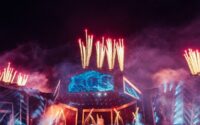
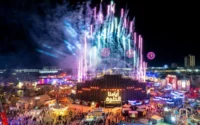
Previous editions have included major concerts, fan zones and activities around the track.
A spectator can arrive well before the race and spend hours inside the venue.
That broadens the audience.
Some visitors are dedicated motorsport fans.
Others may be attracted by the concerts and overall atmosphere.
For organizers, combining both makes the event more valuable as a tourism product.
Motorsport Development Goes Beyond Formula 1
The Saudi Arabian Grand Prix has also helped increase attention around motorsport more generally.
Jeddah Corniche Circuit is part of a wider ecosystem that includes karting and other motorsport activities.
KSA Today previously covered the launch of the Jeddah Corniche Circuit karting facility.
The 1.2-kilometer karting track was created to provide more regular access to motorsport rather than limiting activity to one Formula 1 weekend each year.
That matters for the long term.
If Saudi Arabia wants a stronger motorsport culture, young drivers and fans need places to participate as well as watch.
Jeddah Benefits From Event Tourism
Jeddah already has a strong identity as a Red Sea city and a major gateway for visitors.
Formula 1 adds another layer.
A motorsport fan may travel specifically for the Saudi Arabian Grand Prix and then spend extra time exploring the waterfront, restaurants or historic areas.
This is the basic idea behind event tourism.
The event creates the reason for travel.
The destination benefits from everything around it.
That model is increasingly common across the Middle East events and sports calendar.
Cities compete for events because the impact can spread through many parts of the local economy.
Formula 1 Also Creates Commercial Opportunities
Formula 1 attracts sponsors from telecom, automotive, finance, technology and consumer industries.
For brands, the audience is global.
The Saudi race has therefore created commercial opportunities as well as tourism value.
Partnerships, sponsorships and technology deployments around major sporting events regularly generate corporate and media announcements.
Telecom networks are a good example.
Tens of thousands of spectators may be sharing videos, making payments and using event apps at the same time.
That puts infrastructure under intense pressure.
Why the Night-Race Format Works
There is also a practical advantage to racing after sunset in Jeddah.
The temperature is more comfortable than it would be during the day.
At the same time, floodlights create a dramatic television image.
The illuminated circuit contrasts with the dark Red Sea coastline and city skyline.
That makes the event visually recognizable.
Many of Formula 1’s most successful modern races use similar nighttime or twilight formats.
For spectators, the evening schedule can also make the weekend feel more like a major entertainment event.
What Happens Next?
The immediate future is clearer than the 2026 situation might suggest.
Formula 1’s official ticketing site already has a page for the 2027 Saudi Arabian Grand Prix, although it states that the date has not yet been announced.
That means fans should avoid relying on old 2026 dates when planning a future trip.
The next confirmed details should come through Formula 1 and the Saudi promoter once the 2027 calendar and race arrangements are finalized.
The Saudi Arabian Grand Prix Remains a Major Event
A cancelled edition does not erase what the event has become since 2021.
The Saudi Arabian Grand Prix has given Jeddah a regular place in global motorsport and helped present the city to an international audience.
It has also supported wider investment in motorsport infrastructure and event entertainment.
The 2026 cancellation is part of the event’s current history and should be reported accurately.
However, the longer story is still about the rise of Saudi Arabia as a major host of international sport.
When Formula 1 returns to Jeddah, the ingredients that made the event distinctive will remain the same: a fast street circuit, Red Sea setting, floodlights and an audience that increasingly sees major sport as part of the Kingdom’s entertainment calendar.
 Email: info@cyber-gear.com