

Saudi Arabia’s Hospitality Sector Demonstrates Structural Strength As Vision 2030 Investments Accelerate: JLL
Religious tourism, sustained domestic travel, and revenue and cost optimization strategies have shielded Saudi Arabia’s hotel sector from broader international travel disruptions, according to JLL’s latest KSA Hotels Market Dynamics Q2 2026 report. While commercial markets adjusted to softening corporate demand and expanding pipeline deliveries, the Kingdom’s Holy Cities delivered strong performance metrics anchored by robust Hajj and Umrah visitation.
Investor sentiment is expected to remain broadly positive in the medium to long term, supported by Saudi Arabia’s strong tourism fundamentals and Vision 2030 objectives. This ensures capital flows toward projects with proven demand resilience and clear value propositions. Sustained government commitment to tourism development, with an emphasis on infrastructure enhancements, mega-project execution, entertainment expansion, and connectivity improvements, is further expected to fuel growth and broaden the Kingdom’s hospitality portfolio.
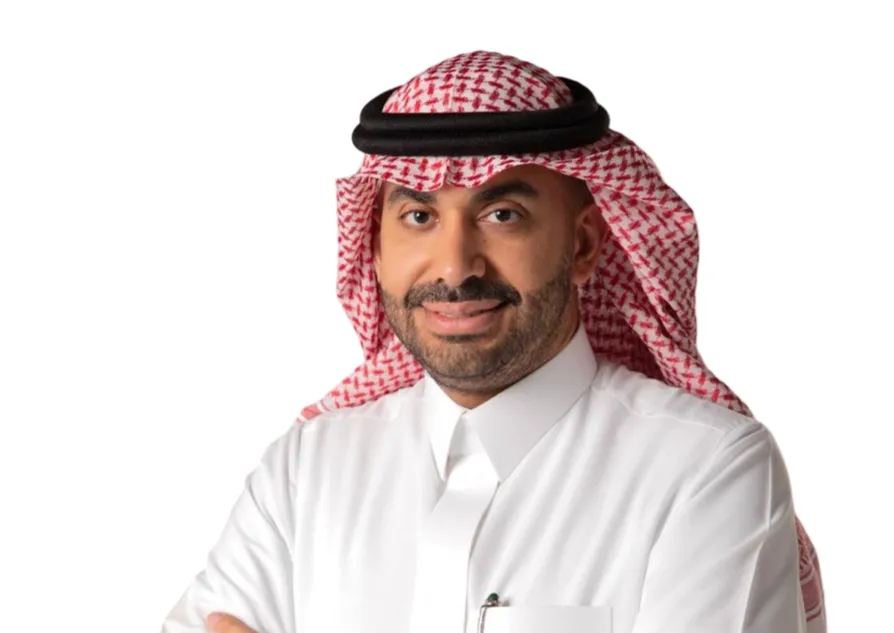
Saud Al Sulaimani, Country CEO and Head of Capital Markets – KSA at JLL, said: “Saudi Arabia’s hospitality market continues to demonstrate long-term structural resilience as domestic leisure travelers and religious pilgrims provide stable occupancy foundations. As the Kingdom advances its Vision 2030 objectives, strategic investments in infrastructure and asset diversification are transforming the sector. These measures will elevate the Kingdom into a premier, multi-faceted destination, poised to attract a highly diverse, international audience far beyond its traditional pilgrimage markets.”
Performance diverged sharply by city in the year to June 2026, with religious tourism centers outperforming business-oriented markets, supported by steady year-on-year growth in Hajj season pilgrim arrivals.Makkah delivered the strongest growth, with occupancy rising 4.0 percentage points (PP) year-on-year to 68.2% and Revenue Per Available Room (RevPAR) climbing 8.7%, reinforcing the Kingdom’s position as a resilient anchor market despite broader travel disruptions.
Post-Hajj demand also extended to Madinah, sustaining hospitality performance across both Holy Cities throughout Q2. Madinah recorded the Kingdom’s highest occupancy at 75.1%, with steady pilgrimage demand limiting RevPAR decline to 2.4% despite softer Average Daily Rates (ADR).
Pressured by softer corporate demand and intensifying supply competition in commercial hubs, Riyadh saw the steepest drop, with occupancy falling 9.2 PP to 47.6% and RevPAR
down 23.2%. Jeddah proved more resilient, with occupancy declining 0.9 PP to 66.4%, though lower ADR drove a 7.2% RevPAR decrease despite sustained domestic leisure activity.
With religious and domestic tourism demonstrating greater resilience than discretionary international travel, investment continued to gravitate toward markets with solid demand fundamentals, as both Holy Cities scaled their accommodation capacity to support the Kingdom’s ambitious religious tourism and pilgrimage growth targets. Makkah’s hospitality inventory expanded by approximately 1,100 keys in Q2, while Madinah added roughly 220 keys, bringing total stock in both cities to 354,800.
Riyadh’s hotel inventory grew by roughly 490 keys, and Jeddah added around 180 keys in Q2, reflecting the ongoing diversification of accommodation options across both cities. The delivery of new hotel supply across key cities is expected to intensify competition, placing greater emphasis on asset quality, differentiated guest experiences, and brand positioning to sustain market performance. The focus is on revenue optimization, cost efficiency, and technology-enabled operations to navigate through the evolving demand patterns while protecting profitability for hotel operators.
Although overall tourism declined by around 5-7% during the first five months of the year, the sector’s long-term outlook remains positive, with market performance expected to strengthen as international travel confidence improves and tourism demand continues to broaden across both domestic and international visitor segments.
 Email: info@cyber-gear.com