


The Saudi Food Show: Connecting the Kingdom’s Growing Food Industry
The Saudi Food Show brings together one of the industries that affects every person in the Kingdom every day.
Food.
Behind the products sitting on supermarket shelves and restaurant tables is a huge network of farmers, manufacturers, importers, distributors, retailers and hospitality companies.
The Saudi Food Show creates a meeting place for that network.
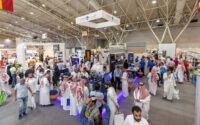
In 2026, the exhibition moves to Jeddah Superdome and is held alongside Saudifood Manufacturing, creating a wider platform covering both finished food products and the technology used to produce them.
The Saudi Food Show Comes to Jeddah in September
The 2026 Saudi Food Show runs from September 27 to 29 at Jeddah Superdome.
The official event platform lists more than 1,000 exhibitors and over 100,000 food and beverage products.
Companies from more than 95 countries are represented.
That creates an enormous amount of choice for buyers.
A supermarket chain may attend looking for new products.
A restaurant group may search for ingredients.
A distributor may want an international brand to introduce into Saudi Arabia.
Meanwhile, manufacturers can look for technology, ingredients and business partners.
Why Jeddah Makes Sense for the Exhibition
The move to Jeddah is significant.
Jeddah is one of Saudi Arabia’s most important commercial and logistics centers.
Its Red Sea location has connected the city with international trade for generations.
Jeddah Islamic Port also gives businesses access to one of the Kingdom’s major import and distribution gateways.
That matters for food.
Saudi Arabia imports many products and ingredients from around the world.
Placing a large food exhibition close to a major logistics hub creates a natural connection between sourcing and distribution.
The Exhibition Covers Far More Than Finished Food
A visitor may initially imagine rows of packaged food.
There is plenty of that.
However, the industry is much broader.
Exhibitors can include businesses working with meat, dairy, beverages, bakery products, snacks, grains, ingredients and frozen food.
International suppliers use the event to introduce products to Saudi buyers.
At the same time, Saudi manufacturers can present local products to potential distributors and international partners.
This gives the exhibition a two-way role.
It helps bring products into Saudi Arabia while also helping Saudi brands look outward.
Saudifood Manufacturing Adds the Production Side
The 2026 edition is co-located with Saudifood Manufacturing.
This creates a more complete view of the industry.
A food product does not begin on the supermarket shelf.
It needs ingredients, machinery, processing, packaging and quality control.
Then it needs storage and distribution.
By bringing the sourcing and manufacturing sides together, visitors can explore more of the supply chain during one trip.
For a business planning a new food factory, this can be particularly useful.
The company may meet ingredient suppliers and equipment manufacturers without attending separate exhibitions.
Saudi Arabia’s Food Market Is Growing
Population growth, tourism and changing consumer habits are creating more demand across the Saudi food sector.
Restaurants are expanding.
Hotels need food-service suppliers.
Delivery apps have made it easier for consumers to order meals.
Supermarkets continue competing for grocery spending.
Meanwhile, international visitors bring different food expectations.
All of these trends create opportunities for suppliers.
The wider food and consumer market across the Middle East is becoming more varied as brands respond to convenience, health and changing lifestyles.
Local Food Companies Are Becoming Larger
Saudi Arabia already has major food companies with large domestic and regional operations.
Almarai, SADAFCO and other producers have invested in capacity and distribution.
Retailers such as Panda and Othaim connect these products with consumers.
KSA Today has previously covered the relationship between different parts of the food supply chain through a Panda executive visit to Almarai farms and factories.
That story illustrates something important.
Food retail depends on production, logistics and strong supplier relationships.
The Saudi Food Show brings many of those relationships into one place.
Food Security Gives the Exhibition More Importance
Food security has become a major policy issue around the world.
Supply chains can be affected by conflict, shipping delays, weather and commodity prices.
Saudi Arabia therefore has strong reasons to build resilient food systems.
That does not mean producing every ingredient domestically.
However, stronger local manufacturing, more varied supply relationships and better logistics can reduce risk.
Trade exhibitions help companies find alternative suppliers.
They can also introduce technology that makes domestic food production more efficient.
For this reason, the exhibition connects with a national issue rather than only a commercial one.
International Products Meet Saudi Consumer Tastes
Saudi Arabia is attractive to international food companies because of its large consumer market.
However, entering the market requires more than shipping products to a distributor.
Brands need to understand local tastes.
Packaging may need Arabic labeling.
Halal requirements matter.
Price expectations differ across customer groups.
Products also need the right retail or food-service partners.
Meeting Saudi buyers directly can help international companies understand these issues.
Restaurants and Hotels Are Important Buyers
The hospitality sector creates another large audience for the Saudi Food Show.
Hotels, resorts, restaurants and cafés all need reliable food suppliers.
Saudi Arabia’s tourism expansion is increasing that demand.
A luxury hotel may need premium international ingredients.
A large restaurant chain needs consistent supply across several cities.
A café may be looking for new drinks or bakery products.
Food exhibitions allow procurement teams to compare options quickly.
Consumer Trends Are Changing Products
Health is becoming more important.
Consumers are looking at sugar content, protein, ingredients and portion sizes more closely.
Convenience also matters.
People want products that fit busy lifestyles.
At the same time, traditional flavors remain popular.
This creates interesting opportunities for food businesses.
A brand may combine familiar Saudi tastes with modern packaging or healthier formulations.
Exhibitions provide a place to see these trends before products reach every supermarket shelf.
Business Meetings Are Central to the Event
The Saudi Food Show lists more than 12,000 business meetings within its current event platform.
That tells us something about how professional exhibitions have evolved.
People do not simply wander through halls collecting brochures.
Many arrive with planned meetings.
Buyers know which companies they want to see.
Exhibitors know which distributors they hope to meet.
Digital event platforms can help arrange those connections in advance.
This makes the exhibition more efficient.
Food Exhibitions Can Create Export Opportunities
Saudi food manufacturers can also use the event to explore international sales.
An overseas distributor may discover a Saudi snack brand.
A regional retailer may look for Saudi-made dairy or date products.
Over time, these relationships can support non-oil exports.
This aligns with the Kingdom’s broader economic diversification goals.
New agreements and product launches also create a steady stream of food industry and corporate announcements during major trade shows.
Jeddah Benefits From International Business Visitors
Large trade exhibitions bring business travelers into the city.
Visitors need hotels, restaurants and transport.
Many will also arrange meetings beyond the exhibition itself.
This is one reason Saudi Arabia is building a stronger Middle East exhibition and conference calendar.
Business tourism may not receive the same attention as leisure tourism, but it can generate significant economic activity.
Why the Saudi Food Show Matters
Food feels simple when it reaches the consumer.
A carton of milk is just a carton of milk.
A restaurant meal appears on the table.
A snack sits on a supermarket shelf.
Behind each of those products, however, is a complicated system involving sourcing, manufacturing, regulation, logistics and retail.
The Saudi Food Show brings that system together.
Its move to Jeddah in 2026 places it close to a major trading gateway while the co-location with Saudifood Manufacturing connects finished products with production technology.
For Saudi Arabia’s growing food economy, that makes the exhibition more than a place to sample new products.
It is a marketplace where decisions about what the Kingdom will produce, import, distribute and eventually eat can begin.


 Email: info@cyber-gear.com