


Swissotel Makkah: Swiss Hospitality Beside Masjid al-Haram
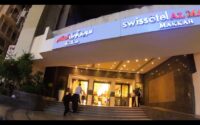
Swissotel Makkah is one of the large five-star hotels that form part of the Abraj Al Bait complex beside Masjid al-Haram.
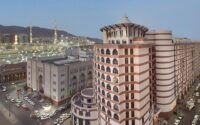
Its position gives pilgrims easy access to the Holy Mosque, while many rooms overlook the Haram, Kaaba or Makkah skyline.
Yet location is only part of the story.
The hotel was also the first Swissotel property to open in Saudi Arabia and the first for the brand in the Middle East.
Swissotel Makkah Has 1,487 Rooms and Suites
Swissotel Makkah offers 1,487 rooms and suites.
That makes it a very large hotel, designed to accommodate the huge numbers of visitors who travel to the Holy City throughout the year.
The rooms combine modern hotel design with features that make sense in Makkah.
Prayer rugs are provided, while different accommodation categories offer views of the city, Haram or Kaaba.
Classic rooms are around 38 square meters.
For many travelers, that provides useful space, particularly when compared with smaller city hotel rooms.
The Location Is Built Around Pilgrim Convenience
The hotel is part of the King Abdulaziz Endowment and is close to Masjid al-Haram.
One particularly useful feature is its direct entrance through Ajyad Street.
Swissotel says it is the only property within the Abraj Al Bait Endowment with this specific direct entrance.
This may sound like a small detail.
However, central Makkah can become crowded.
Knowing how to leave and enter a hotel efficiently can save time during busy prayer periods.
That is especially important for families, older visitors and anyone making several trips to the Haram each day.
Swissotel Makkah and Swissotel Al Maqam Are Different Hotels
Travelers can easily confuse the two Swissotel properties.
Both are in the Abraj Al Bait complex.
However, Swissotel Makkah and Swissotel Al Maqam Makkah are separate hotels.
Swissotel Makkah has 1,487 rooms and suites, while Al Maqam has 1,624.
Both offer access to the Haram area, but their entrances, room layouts and views differ.
Therefore, guests should make sure they are comparing the correct property before booking.
This is especially important when arranging group travel.
A family member booking the wrong Swissotel could create unnecessary confusion on arrival.
Rooms Are Designed for Different Types of Travelers
Swissotel Makkah offers king, twin and triple room arrangements.
Suites provide additional space.
Classic rooms can overlook the Holy City, Haram or Kaaba.
For a couple, a standard room may be enough.
For families or groups, bed configuration can matter much more.
Pilgrimage travel often involves parents, grandparents and children traveling together.
Therefore, guests should check occupancy carefully rather than assuming every room can accommodate the same number of people.
Connecting or larger rooms may be worth considering for longer stays.
Direct Mall Access Adds Practical Value
The hotel provides access to the shopping facilities within the Abraj Al Bait environment.
This is useful because pilgrimage trips involve everyday needs as well as worship.
Guests may need food, clothing, toiletries, gifts or basic supplies.
Having those options nearby means fewer journeys across Makkah.
It can also be helpful during hot weather.
Instead of walking outside for every small purchase, guests can reach many services within the same wider complex.
Dining Matters More During Longer Stays
Swissotel Makkah includes two restaurants.
This gives guests convenient dining without requiring them to leave the property.
For a one-night stay, dining choice may not feel especially important.
For a week-long pilgrimage trip, it matters much more.
Guests may eat breakfast in the hotel every day.
During Ramadan, iftar and suhoor become central parts of the schedule.
Large Makkah hotels therefore need to serve substantial numbers of people within short periods.
Makkah Is Adding More International Hotel Brands
Swissotel is no longer unusual as an international brand in the Holy City.
Makkah now hosts many major global hotel groups.
More properties are being developed as visitor numbers grow.
KSA Today has reported on Accor’s plan for Sofitel Jabal Omar Makkah, which is expected to add another large luxury hotel to the central area.
That expansion reflects the growth of Saudi Arabia within the wider Middle East travel and hospitality market.
Competition should encourage hotels to improve.
A famous brand name is useful, but pilgrims still judge the basics: cleanliness, location, food, service and ease of movement.
Religious Tourism Is Becoming More Digital
The guest journey starts long before check-in.
Travelers now research hotel entrances, walking distances and room views online.
Some even watch videos showing the exact route from a hotel lobby to Masjid al-Haram.
KSA Today has covered the growing use of digital technology through projects such as the YUSUR Umrah booking platform.
This makes the hotel market more transparent.
A traveler in Indonesia, Türkiye or the United Kingdom can compare several Makkah hotels from home.
Therefore, hotels need to communicate their advantages clearly.
Events Help Connect the Pilgrimage Industry
The Hajj and Umrah sector is supported by major conferences and exhibitions.
These bring together hospitality operators, technology companies, airlines and government organizations.
People following Middle East events and tourism exhibitions increasingly see Saudi religious tourism represented as a major professional sector.
This is important because the experience of a pilgrim depends on many connected services.
Hotels cannot work in isolation.
Transportation, booking systems and visitor management all affect the same guest.
Large-Scale Hospitality Requires Strong Operations
A 1,487-room hotel is effectively a small community.
Housekeeping teams need to prepare large numbers of rooms.
Restaurants must serve hundreds of diners.
Front desks need to manage international arrivals.
Elevators must move guests efficiently around prayer times.
This is why operational quality matters so much.
The architecture may attract attention, but the everyday systems determine whether the hotel feels comfortable.
During peak seasons, guests should also expect more activity.
The atmosphere around the Haram naturally becomes busier when visitor numbers rise.
Who Is Swissotel Makkah Best For?
Swissotel Makkah is well suited to pilgrims who want to stay within Abraj Al Bait and remain close to Masjid al-Haram.
The different bed arrangements can work for couples, families and groups.
Guests interested in views should compare room categories carefully.
A city-view room and a Kaaba-view room can provide very different experiences and prices.
Travelers should also think about whether they prefer the scale of a large hotel.
Some people enjoy having restaurants, shops and services nearby.
Others prefer smaller properties.
Swissotel Makkah Connects Scale With Location
The strongest feature of Swissotel Makkah is its combination of size and position.
It can accommodate large numbers of pilgrims while keeping them close to the Haram.
The direct Ajyad Street entrance adds another practical advantage.
Meanwhile, views toward the Kaaba can make selected rooms feel much more connected to the spiritual purpose of the visit.
Saudi Arabia’s religious hospitality market will continue changing.
New hotel openings and development agreements will remain frequent topics in regional corporate and hospitality news.
However, the basic requirements of pilgrims are unlikely to change as quickly.
They want somewhere clean and comfortable.
They want easy access to Masjid al-Haram.
They want the trip to feel manageable.
Swissotel Makkah is built around those priorities, which is why it remains a prominent accommodation choice in the heart of the Holy City.
 Email: info@cyber-gear.com